Gas fitting rules in Ontario: licensing, permits and what homeowners should know
By Petra Vogel · Updated 2026-07-13
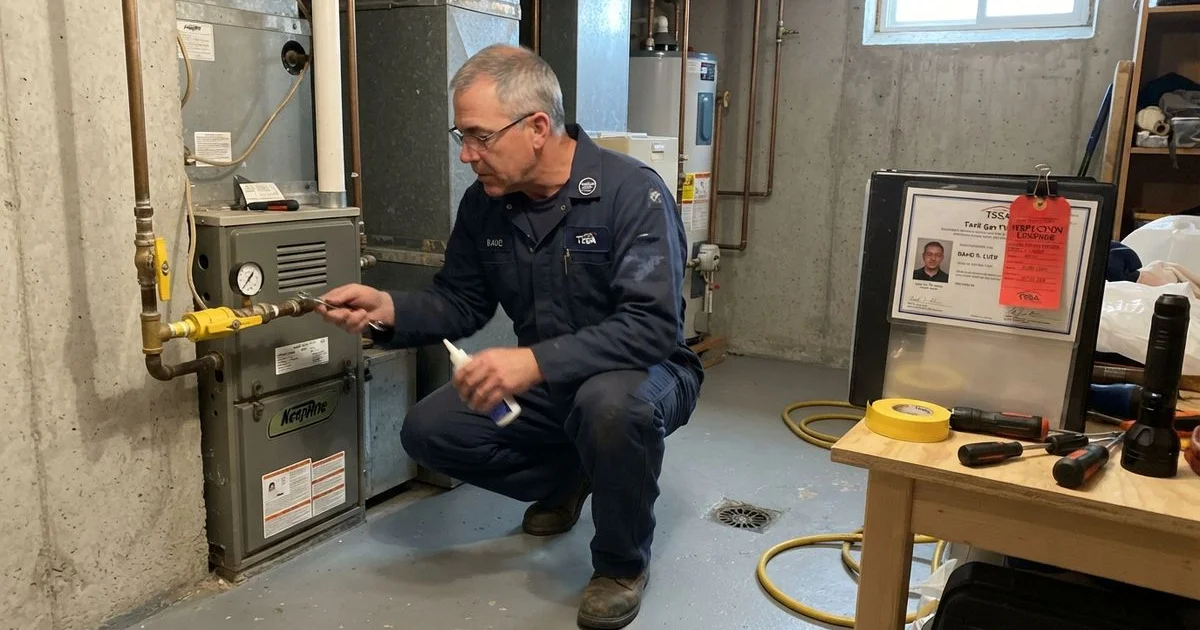
This is general information about gas fitting regulation in Ontario, not legal advice. Requirements can vary by municipality and by the specifics of a job, so confirm details with a licensed gas technician or your local authority having jurisdiction.
Why gas fitting is regulated separately
Gas work carries risks that ordinary plumbing doesn’t: a poor connection can lead to a leak, a fire, or carbon monoxide exposure from an appliance that isn’t venting correctly. Because of that, Ontario requires anyone doing gas fitting work to hold a specific gas technician certification, separate from a general plumbing license, issued and enforced through the Technical Standards and Safety Authority. A plumber who is excellent at pipe repair is not automatically qualified or authorized to work on a gas line.
What this means when you’re hiring
Ask directly whether the person doing the work holds a valid gas technician license, and ask for the number. This is a normal, low-friction question, and it’s easier to ask before a job starts than to sort out after something goes wrong. This applies to installing a new gas appliance, running a new gas line, converting a fireplace, or working on any existing gas fitting. It’s a reasonable, expected question, not an awkward one, and a properly licensed technician will answer it without hesitation.
| Job type | Needs a licensed gas technician? | Typically needs a permit? |
|---|---|---|
| New gas line installation | Yes | Yes |
| Gas appliance conversion or new install | Yes | Often |
| Like-for-like appliance swap | Yes | Sometimes |
| Fireplace or BBQ line install | Yes | Often |
| Appliance servicing (no line work) | Yes | Usually not |
Permits exist to protect the next person too
A permit and inspection process isn’t just paperwork, it confirms the work was done to code by someone independent of the person who did it. This matters beyond your own safety: unpermitted gas work can surface as a problem when you sell your home, file an insurance claim, or have a future renovation touch the same area, since inspectors and adjusters look for permit history on gas work specifically. Getting it done right and documented the first time avoids all of that.
Red flags worth walking away from
A quote that’s noticeably lower than everyone else’s for gas work is sometimes a fair price, and sometimes a sign the person quoting isn’t licensed or isn’t planning to pull the required permit. Other signals worth paying attention to: reluctance to provide a license number, no mention of a permit for work that clearly needs one, and no written documentation of what was done once the job is finished. None of these prove a problem on their own, but together they’re worth pausing over before work starts, not after a line is already open.
The inspection step, briefly
Once gas fitting work is complete and a permit is involved, a municipal or TSSA-authorized inspector typically needs to review the work before the gas is turned on and left running, or before an appliance goes into regular use. This step exists specifically to catch problems independent of the person who did the work, which is part of why skipping it undermines the whole point of hiring a licensed professional in the first place. A technician who is used to doing things properly will build this step into the timeline and cost from the start, rather than treating it as optional.
What a homeowner can reasonably expect
A licensed gas fitter should be able to explain what permit, if any, applies to your job, pull that permit or confirm who will, and leave you with documentation of the work performed, including any inspection sign-off. If someone offers to skip the permit to save time or money, that’s a signal to find someone else, since it shifts a real safety and liability risk onto you.
Gas leak and carbon monoxide risk are closely tied to fitting quality, which is one reason this directory tracks safety-related review themes for gas fitting listings specifically. How that scoring works is explained on the methodology page, and the full directory covers licensed plumbers across every category in Ontario.
FAQ
- Can any plumber do gas fitting work?
- No. Gas fitting is a separate, specifically licensed trade in Ontario. A general plumbing license doesn't authorize gas line work; the technician needs a gas technician certification issued through Ontario's Technical Standards and Safety Authority.
- How do I check if a gas fitter is actually licensed?
- Ask for their license number and, if you want to verify it, TSSA maintains a public way to confirm active licenses. A legitimate technician will not hesitate to provide their number.
- Does every gas job need a permit?
- Most work involving new gas lines, appliance connections, or system alterations does. Straightforward like-for-like appliance swaps sometimes don't, but it's worth confirming rather than assuming.
- What happens if unlicensed gas work is discovered later, like when selling a home?
- It can complicate a sale, an insurance claim, or a future renovation, since unpermitted or unlicensed gas work often needs to be corrected and inspected before it can be signed off on.