Plumbing repairs when settling a family estate or inherited home
By Petra Vogel · Updated 2026-08-06
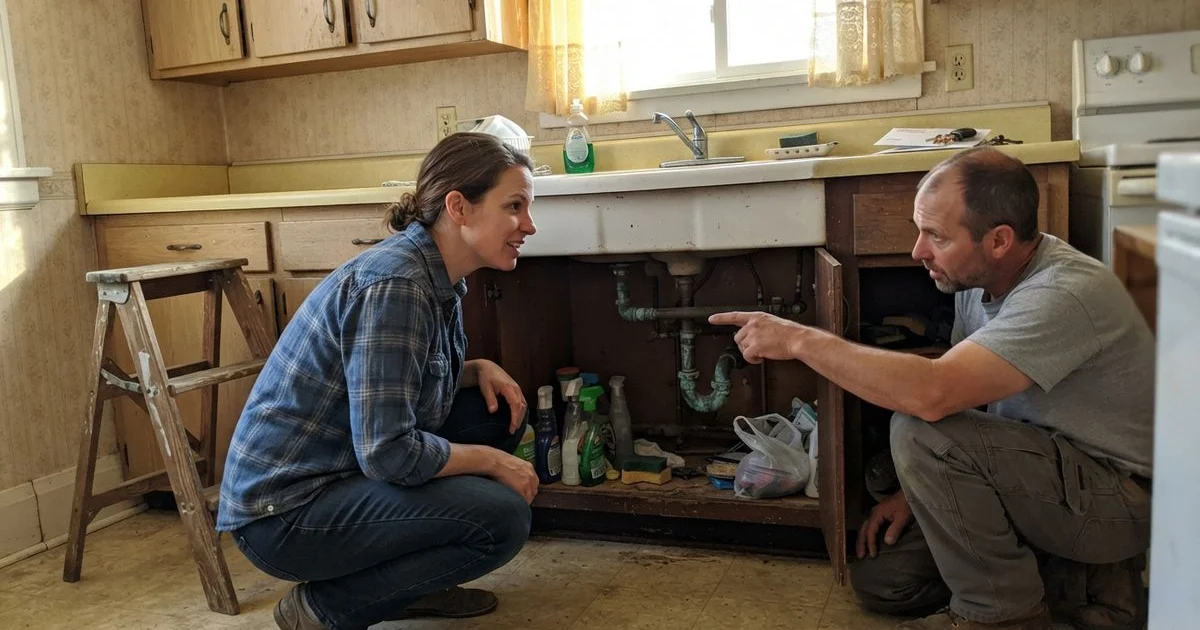
Settling a family estate is already an emotional, logistical process, and an inherited home’s plumbing rarely gets attention until it becomes a problem. A little structure early on prevents a small oversight from turning into a bigger complication during an already difficult time.
Start with a plumbing-focused check
Whether you’re planning to keep, rent out, or sell the home, an early walkthrough focused specifically on plumbing gives you a clear picture to work from. This means checking the water heater’s age, the visible pipe material in the basement or crawl space, whether any shut-off valves are seized, and any signs of past leaks like staining or soft flooring. A home that’s been owned by one family for decades often has original plumbing that’s simply aged out, without anyone having actively neglected it. That distinction matters emotionally too: an aging pipe or water heater reaching the end of its service life is a normal, expected thing, not a sign that anything was done wrong. The same kind of walkthrough helps earlier too, when helping an aging parent handle plumbing repairs while they’re still living in the home, well before an estate is part of the conversation.
If the home has been vacant
A period of vacancy changes what you’re checking for. Trap seals under sinks and floor drains can dry out when water hasn’t run through them for a while, which lets sewer gas into the home, an unpleasant but usually simple fix once you know that’s the cause. A water heater that’s sat unused for months is worth having inspected before relying on it, since components can seize or develop issues from disuse just as much as from regular use. Running water through every fixture in the home and watching for leaks is a reasonable first step before assuming the system is fine.
| Situation | What to check | Why |
|---|---|---|
| Home occupied until recently | Water heater age, visible pipe material, past leak signs | Establishes a baseline condition |
| Home vacant for months or longer | Trap seals, water heater function, unexpected leaks on restart | Disuse creates its own set of issues |
| Planning to sell | Anything visible or safety-related | Undisclosed known issues can complicate a sale |
| Planning to keep or rent out | Full inspection, replacement planning for aging components | Avoids inheriting a surprise repair bill later |
Deciding what to fix and what to leave
Not every issue needs to be addressed before a decision about the home’s future is made, but visible or safety-related problems, an active leak, an unsafe water heater, exposed old wiring near plumbing, are worth handling regardless of whether you’re keeping or selling. Cosmetic or minor issues can often wait until there’s more clarity on the home’s direction, which matters when you’re also managing an estate’s finances and don’t want to spend on repairs to a home that might be sold as-is.
Coordinating with other family members
When more than one person is involved in decisions about an estate, plumbing repairs can become a point of disagreement, especially over cost and whether something is truly necessary or can wait. Getting a written estimate and, ideally, a short explanation from the plumber of what they found and why it matters gives everyone the same information to work from, rather than a decision resting on one person’s secondhand summary. If the home will be sold, it’s also worth agreeing in advance on a threshold, a dollar amount or type of issue, above which the group discusses before authorizing work, so smaller decisions don’t stall the whole process waiting for consensus.
Getting a second opinion during a stressful time
Estate settling often means making decisions under time pressure, sometimes from a distance, and sometimes while grieving. It’s reasonable to lean on a trusted plumber for a straightforward assessment rather than trying to evaluate the home’s condition alone, and it’s worth getting more than one opinion on anything major before committing to a repair or renovation. A written assessment, not just a verbal one, is also useful if other family members are involved in decisions about the estate.
The Ontario Plumber Directory outlines typical price ranges for common repairs, useful when budgeting from an estate, and the methodology page explains how listed plumbers are scored on clear communication and fair pricing.
FAQ
- How do I know if an inherited home's plumbing is a problem before I even move in or list it?
- A plumbing-focused inspection covering pipe material, water heater age, and any signs of past leaks gives you a clear picture before you decide whether to repair, sell as-is, or renovate.
- Is it worth fixing plumbing issues before selling an inherited home?
- Often for anything visible or safety-related, since undisclosed known issues can complicate a sale later. Cosmetic or minor issues are a more case-by-case call depending on the local market.
- What if the home has been vacant for a while?
- A vacant home's plumbing can develop problems from disuse: dried-out trap seals letting sewer gas in, or a water heater that's sat idle. Running water through every fixture and checking for leaks before relying on the system is worth doing.
- Can old plumbing affect the value of an inherited home?
- It can, particularly outdated materials like galvanized pipe or an aging water heater, which buyers and their inspectors will flag. Knowing the condition ahead of a sale helps you price and negotiate realistically.