Plumbing checklist before selling your house in Ontario
By Petra Vogel · Updated 2026-08-08
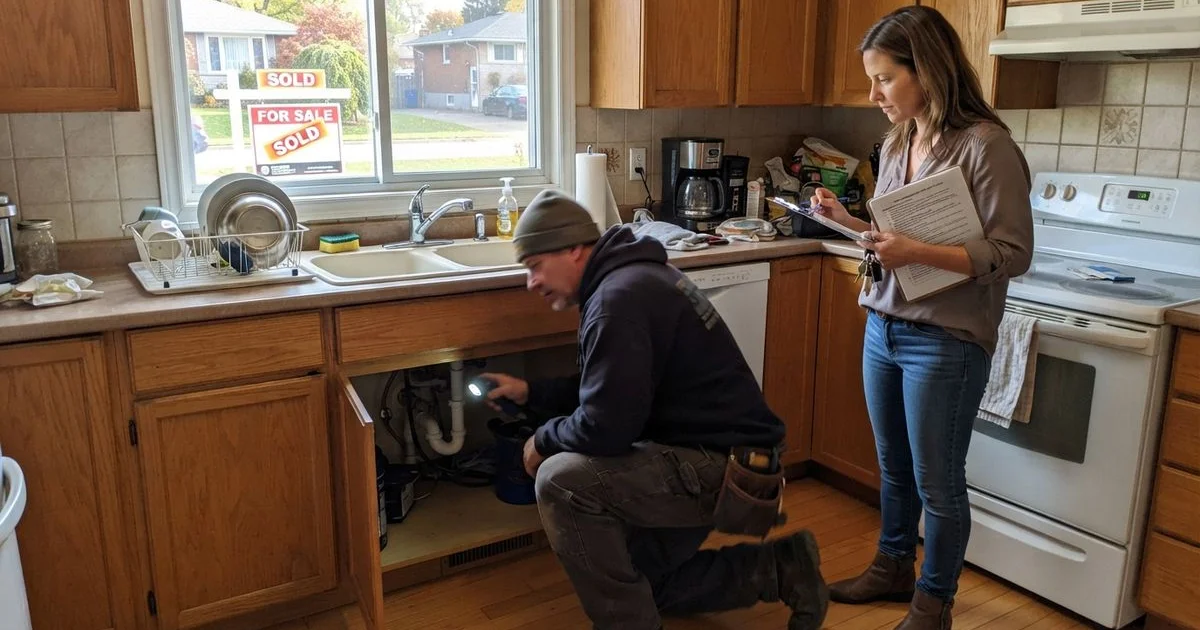
A home inspection is where small plumbing issues that were easy to ignore suddenly matter, since they show up in a report a buyer reads closely, sometimes using it to push for a lower price or repair credit. Getting ahead of the obvious ones before listing tends to be cheaper and less stressful than dealing with them mid-negotiation, when a buyer is more likely to assume the worst about anything left unaddressed.
What buyers’ inspectors look for
Water heater age and condition, visible pipe material and any obvious corrosion, water pressure, functioning shut-off valves, and any sign of past or active leaks, staining, soft flooring, or a musty smell. Inspectors also test that every fixture actually works: taps that run properly, toilets that flush and refill correctly, and drains that clear at a normal rate. In older Ontario homes, they’ll also note whether original cast iron or galvanized plumbing is still in place, since buyers and their own inspectors tend to ask about it directly.
| Item | Why it matters to buyers | Worth fixing before listing? |
|---|---|---|
| Water heater near end of life | Buyers see it as an imminent cost | Often yes, or disclose and price accordingly |
| Slow or leaking faucet | Minor cost, but signals lack of upkeep | Yes, cheap and easy |
| Visible pipe corrosion | Raises questions about hidden issues | Worth having assessed |
| Past water stains, even if dry | Buyers assume the worst without explanation | Address or be ready to explain clearly |
| Low water pressure | Immediately noticeable, raises concern | Worth diagnosing before listing |
| Running toilet | Cheap fix, easy for an inspector to flag | Yes, cheap and easy |
The easy fixes worth doing regardless
A dripping tap, a running toilet, a slow drain, these cost little to fix and eliminate small negative notes on an inspection report that otherwise chip away at buyer confidence. None of these individually changes a sale, but a report full of minor flags creates an impression of general neglect that a report with none of them doesn’t, and that impression can end up costing more at the negotiating table than the repairs themselves would have.
The bigger decisions
An aging water heater is the most common bigger-ticket plumbing item that comes up. Replacing it before listing removes a negotiating point entirely; disclosing its age and letting the buyer factor it into their offer is the other reasonable path, and which makes sense often depends on your specific market and timeline. Past water damage, even fully repaired, is worth being ready to explain clearly with documentation of the repair, since an unexplained stain reads as a bigger risk to a buyer than a documented, resolved issue.
Timing it around the rest of the sale
Plumbing repairs are best scheduled early enough that any wall or floor work has time to be properly finished before listing photos are taken, not squeezed in the week before an open house. If you’re also doing cosmetic updates, painting, staging, coordinating plumbing fixes first makes sense, since a repair that requires opening a wall should happen before that wall gets fresh paint or new flooring around it. Building a couple of weeks of buffer into your pre-listing timeline for plumbing gives you room to address anything an inspection or a plumber’s walkthrough turns up without rushing the fix. If you’re listing heading into the colder months, the guide to winterizing your plumbing covers the pipe-freeze risks a buyer’s inspector will also be looking for.
Considering a pre-listing inspection
Having your own plumbing check done before listing, rather than waiting for the buyer’s inspector, lets you address issues on your own timeline and often at a lower cost than a rushed fix mid-negotiation. It also means fewer surprises during the buyer’s own inspection, which keeps the process moving instead of reopening negotiations over something that could have been handled earlier.
For a general sense of what common repairs cost before you decide what’s worth fixing, the Ontario Plumber Directory covers typical price ranges across categories, and the methodology page explains how listed plumbers are ranked on real review signals like fair pricing and clean, documented work, both useful when you want a repair done right before a sale.
FAQ
- Do I have to disclose known plumbing problems when selling?
- Generally, known material defects that could affect a buyer's decision should be disclosed. This is a legal matter that varies by situation, so check with your real estate lawyer or agent about what applies to your sale specifically.
- Will a leaky faucet actually affect my home's sale price?
- On its own, probably not much. But small, visible issues add up in a buyer's mind and can suggest the home hasn't been well maintained, which affects perception even when the individual items are minor.
- Should I get a pre-listing plumbing inspection?
- It's a reasonable option, especially for an older home, since it lets you address issues on your own terms rather than reacting to what a buyer's inspector finds during a tighter negotiation window.
- What plumbing issue most commonly delays a closing?
- A failed or aging water heater and evidence of past water damage are two of the most common plumbing-related items that come up during a buyer's inspection and can slow down or complicate a deal.